Into the paperverse
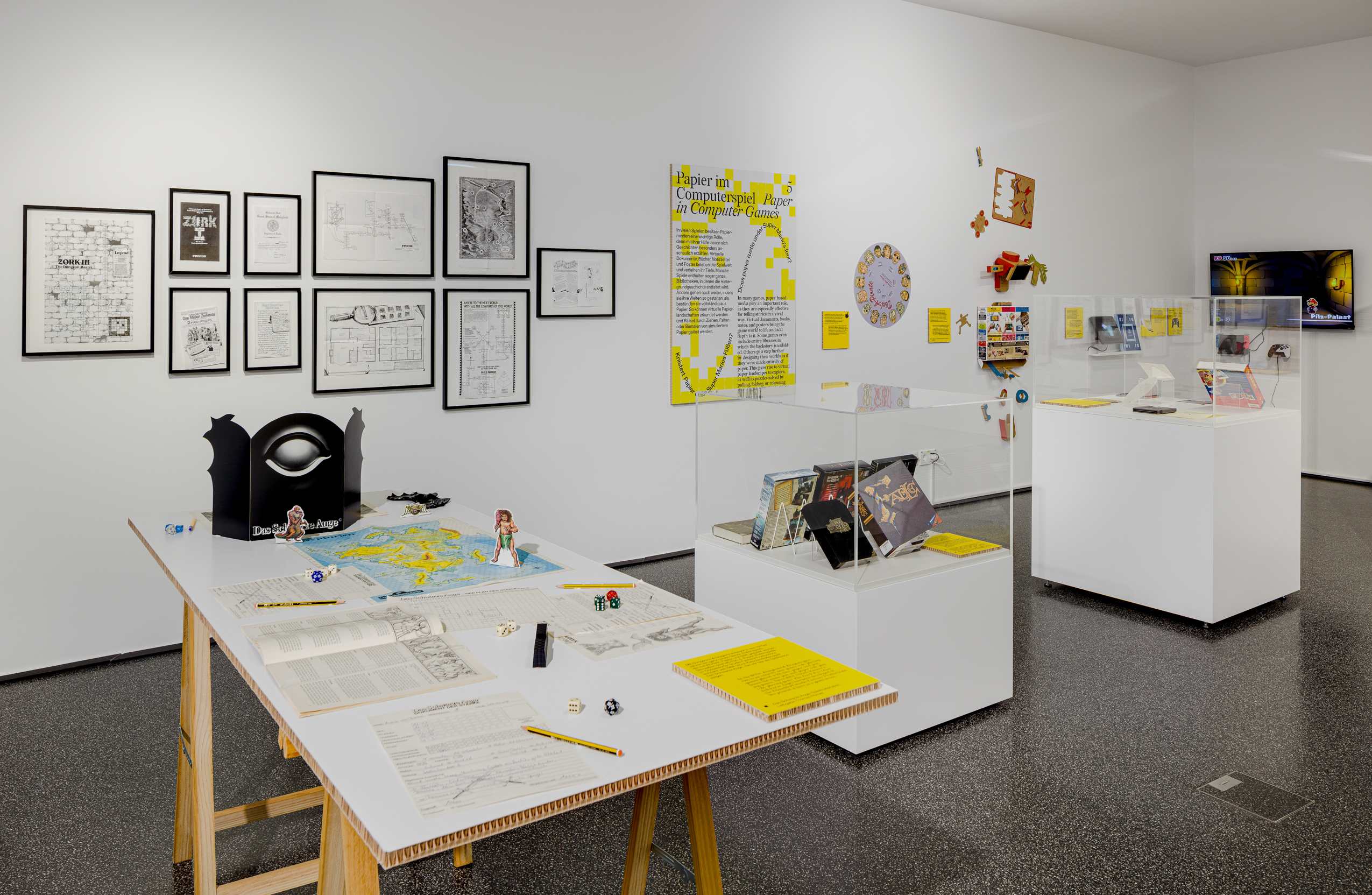
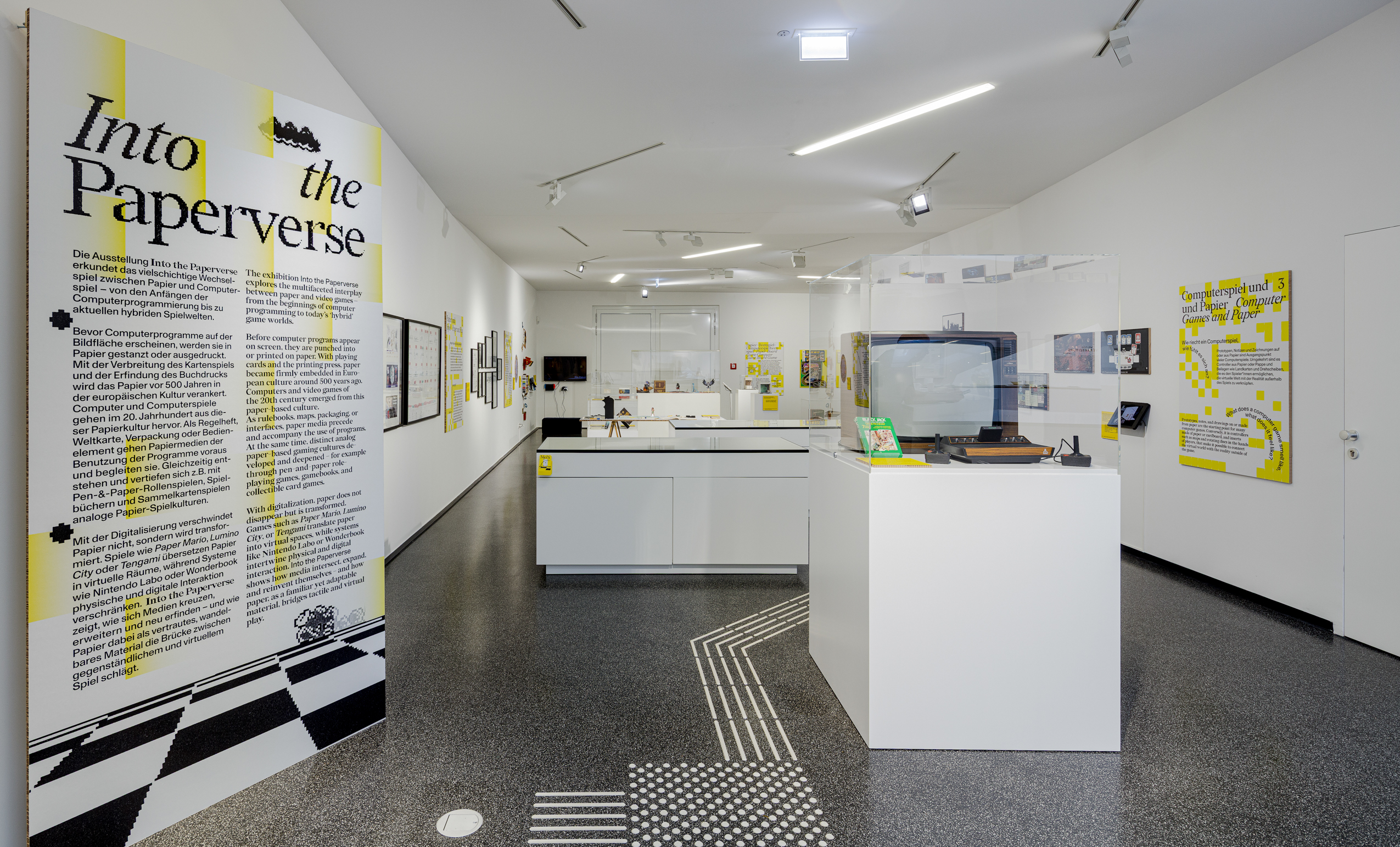
Computer and console games are not immediately associated with paper, yet this seemingly analogue material is deeply embedded in both the history and present of video games. With its new exhibition Into the Paperverse – Paper and Computer Games, the Papiermuseum Düren explores this unexpected interplay.
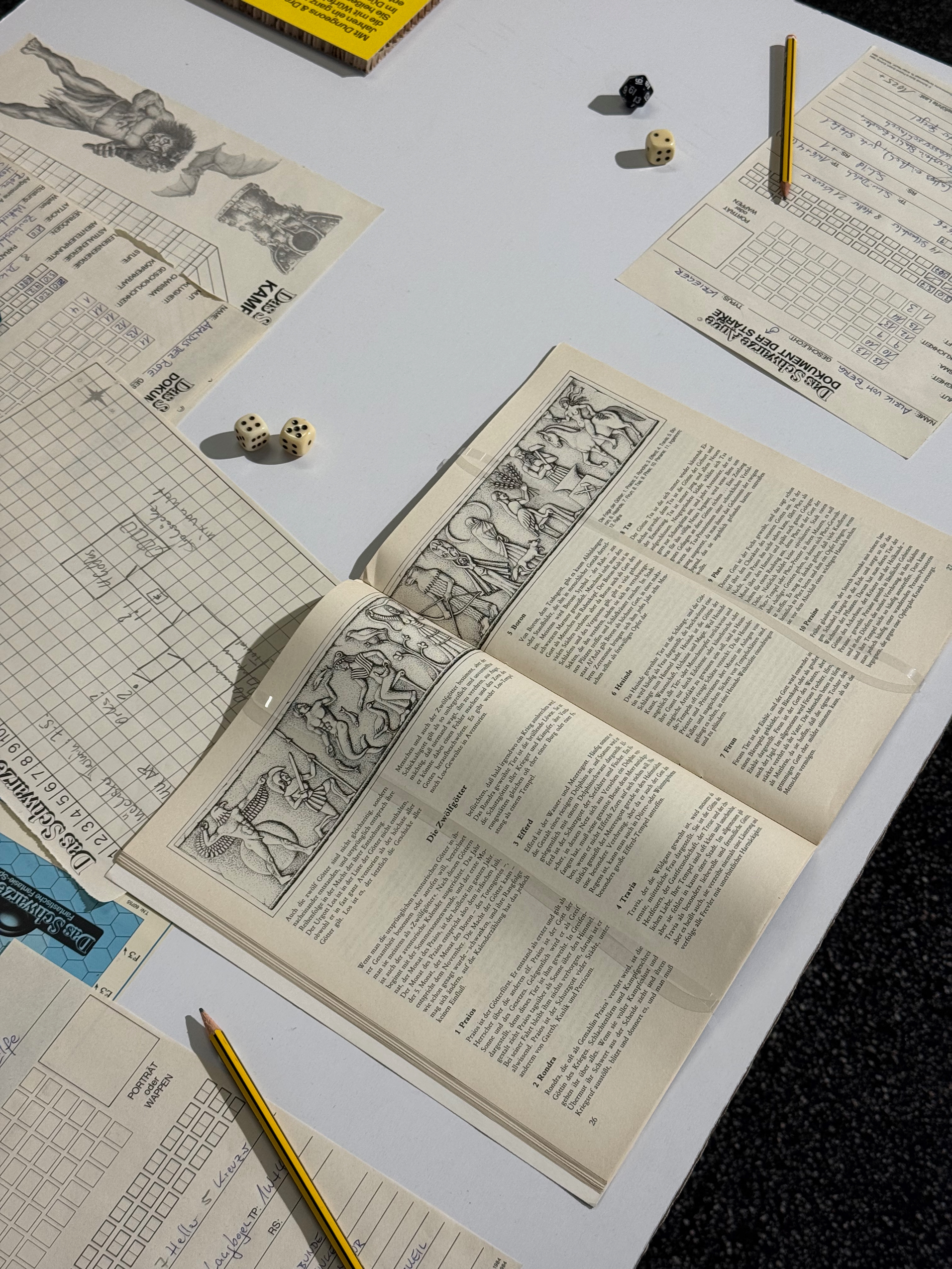
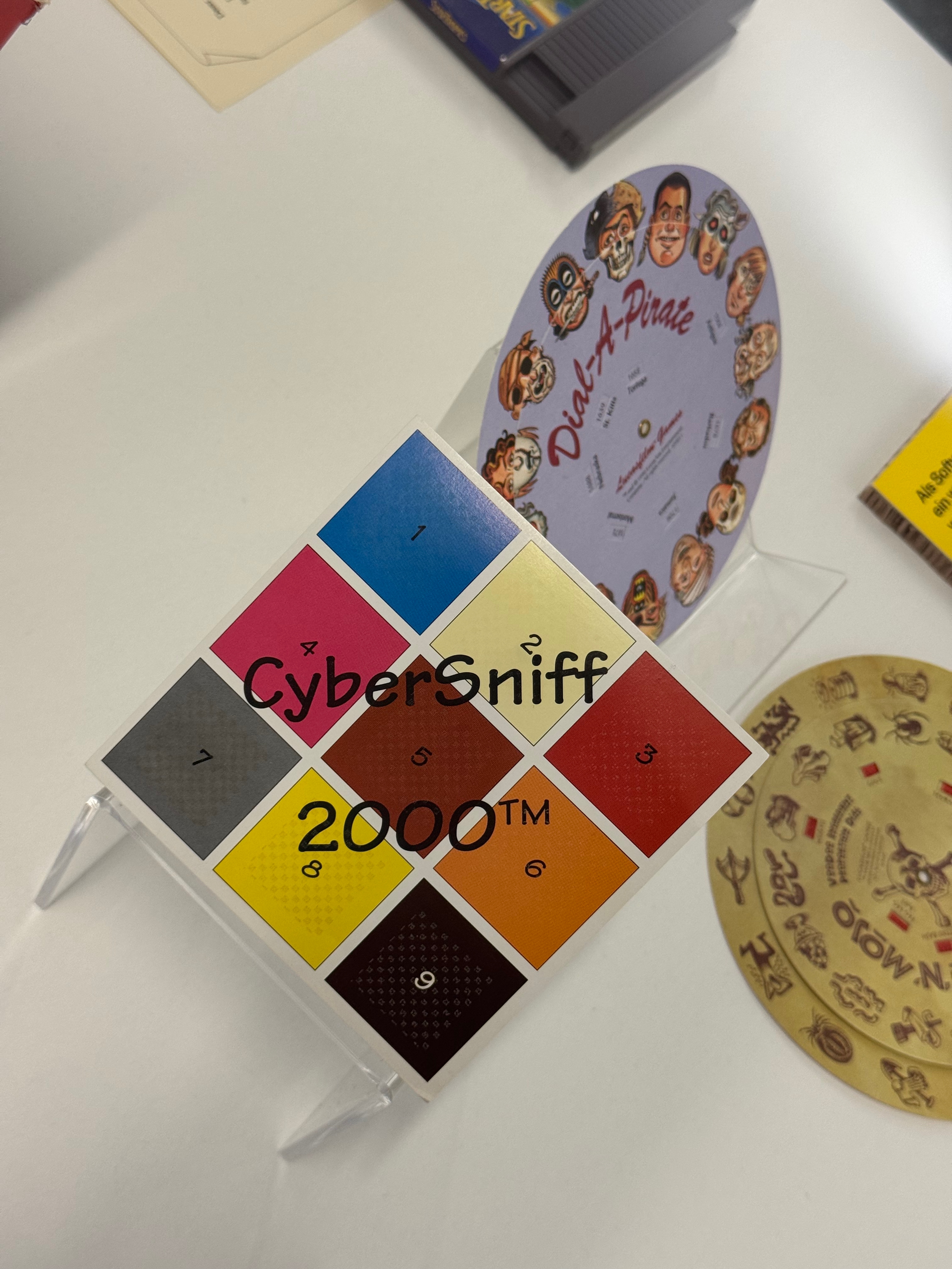
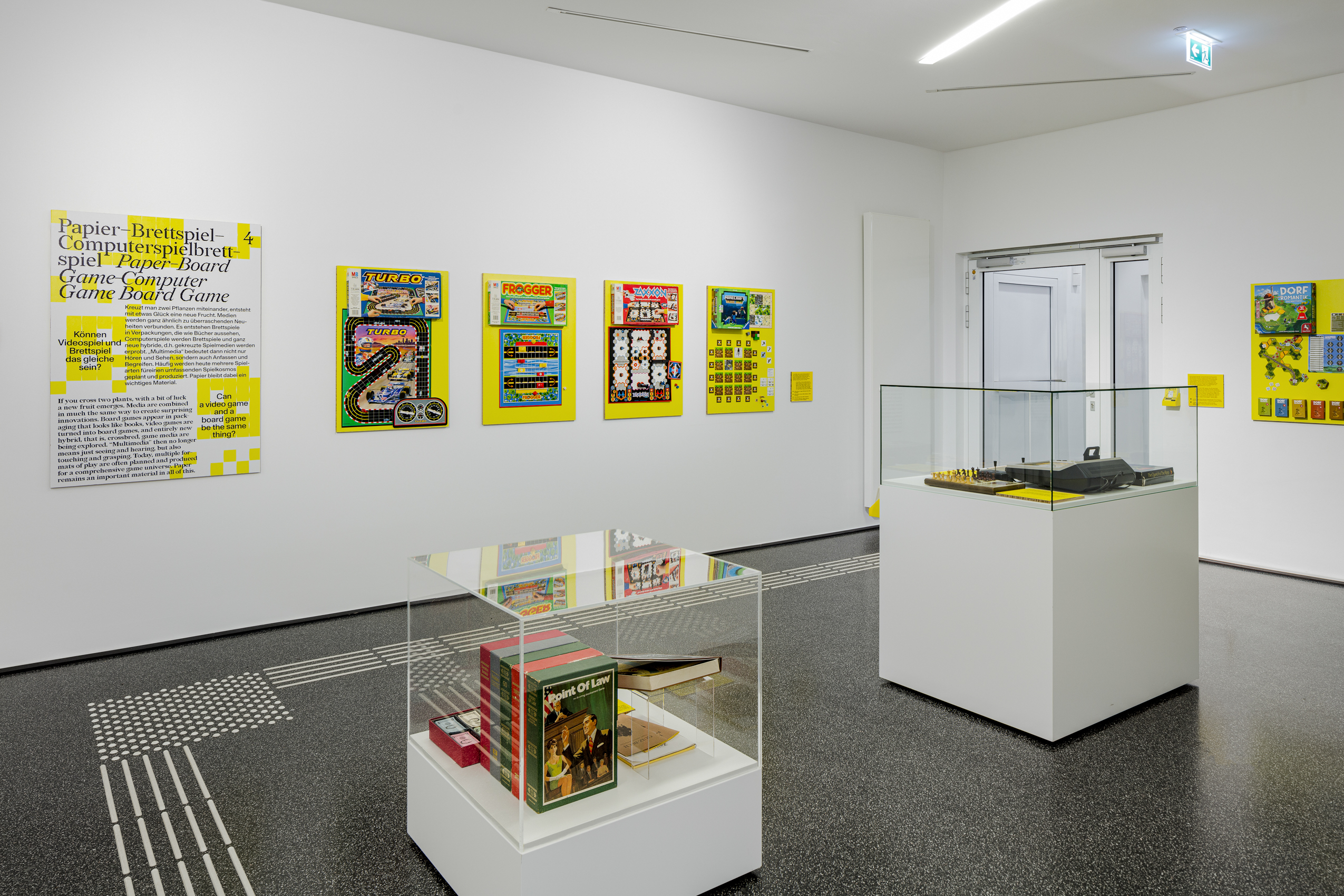
Early computer programs of the 1950s to 1970s were physically punched into paper before ever appearing on a screen, and even today paper prototypes remain part of the game development process. Computers and video games emerged from a long-standing paper culture shaped by printed matter, books, maps, and playing cards. From the very beginning, instruction manuals, world maps, code wheels, and other paper inserts accompanied games and expanded the experience of play.
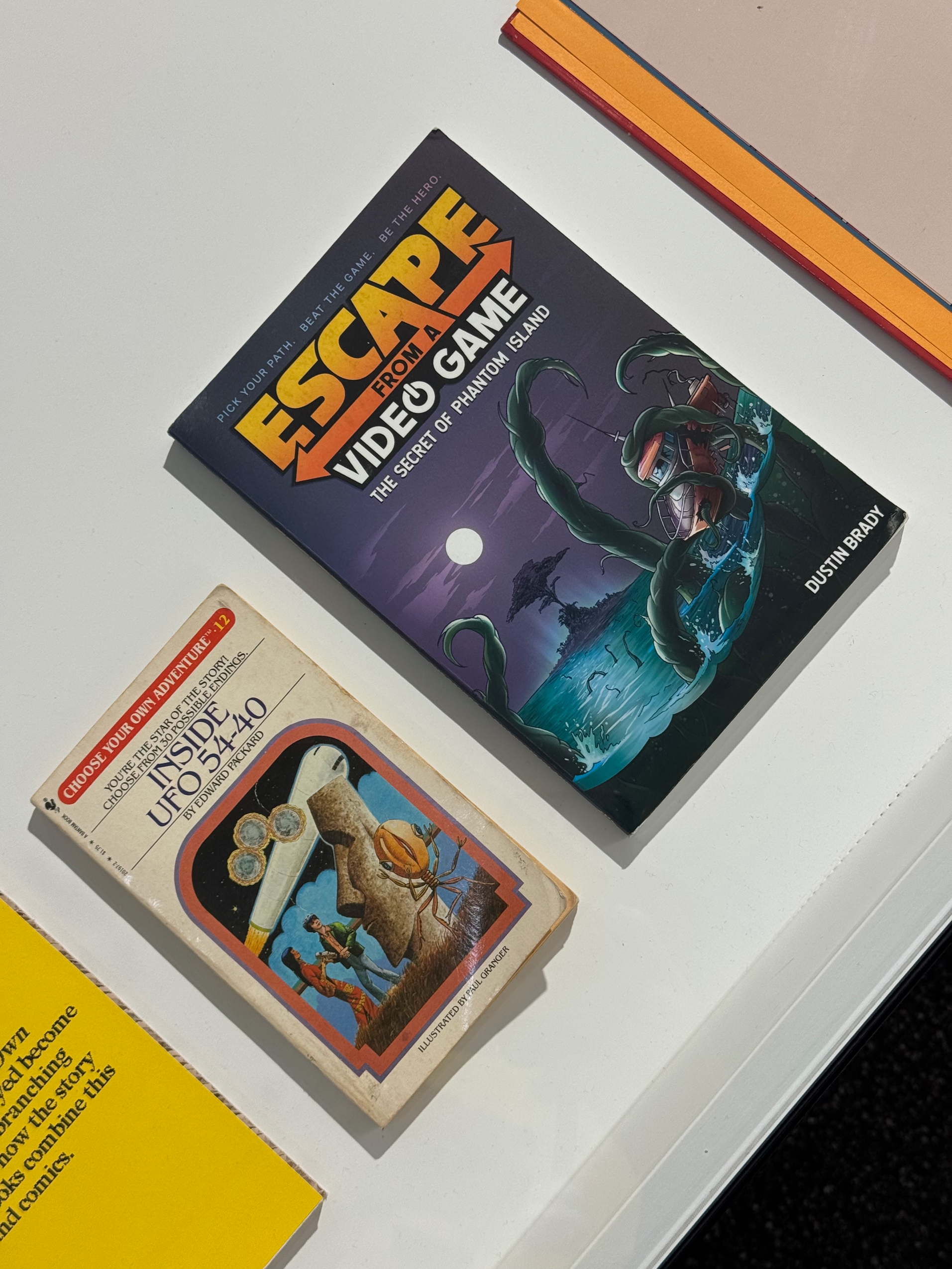
At the same time, analogue gaming cultures such as pen-and-paper role-playing games, gamebooks, and collectible card games strongly influenced the development of digital games. Narrative adventure games, for example, evolved directly from fantasy literature and choose-your-own-adventure books from the 1970s onward.
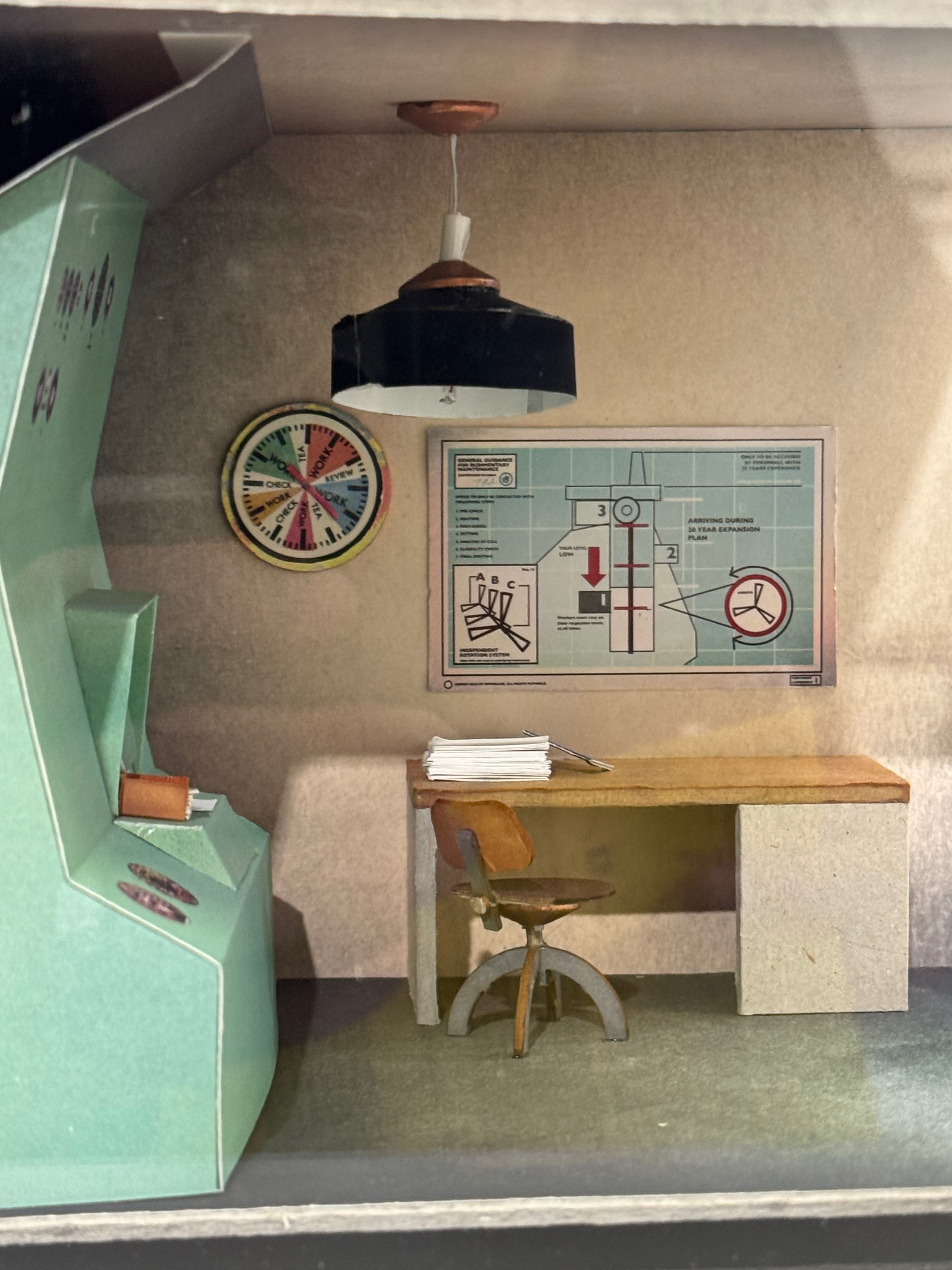
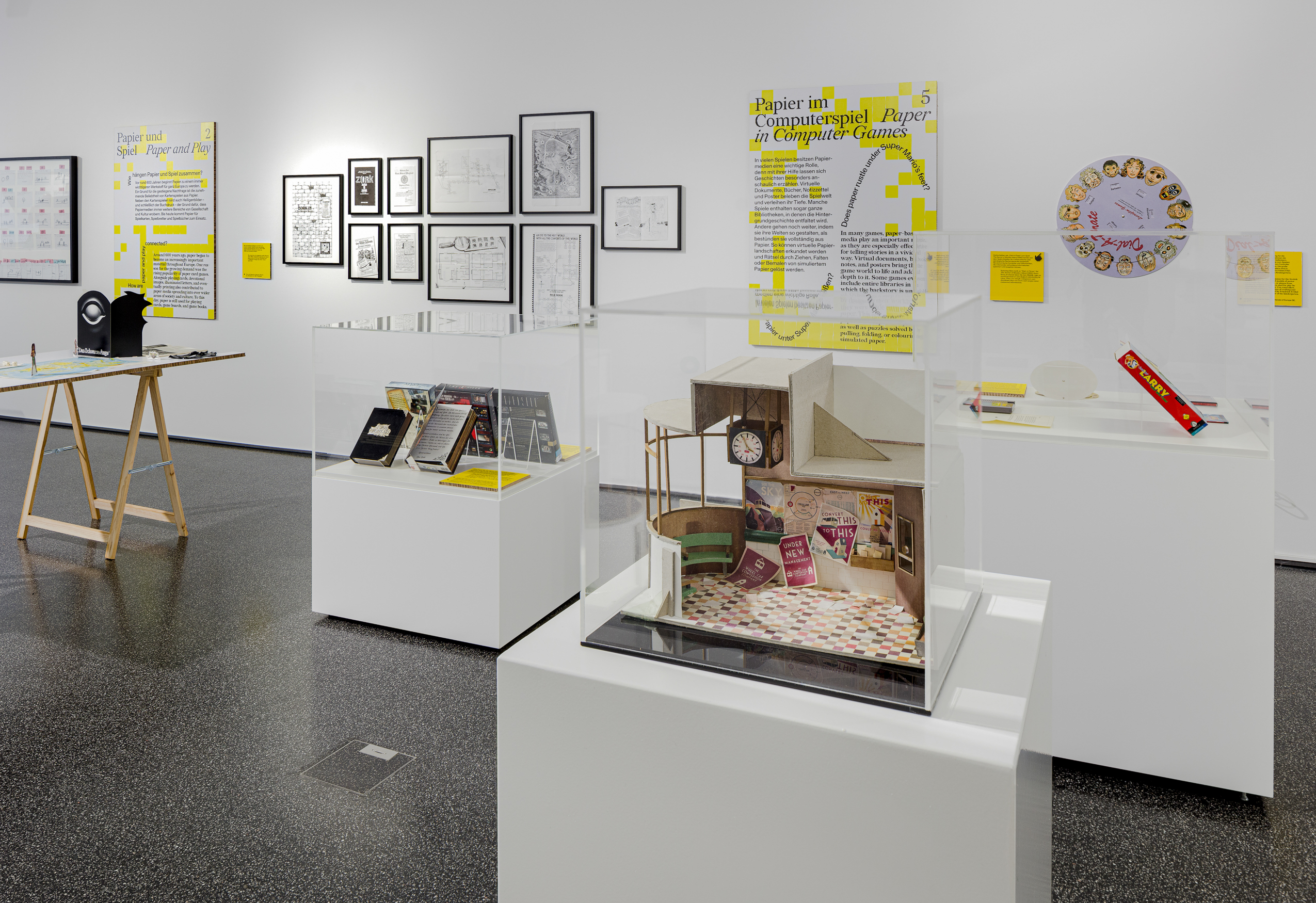
As digitalization progressed, paper remained present in new forms. Since the 1980s, games have increasingly integrated books, notes, and maps into virtual worlds. Titles such as Myst helped establish paper aesthetics and material references within interactive environments. More recent works such as Lumino City or Tengami turn paper itself into a spatial and material game mechanic.
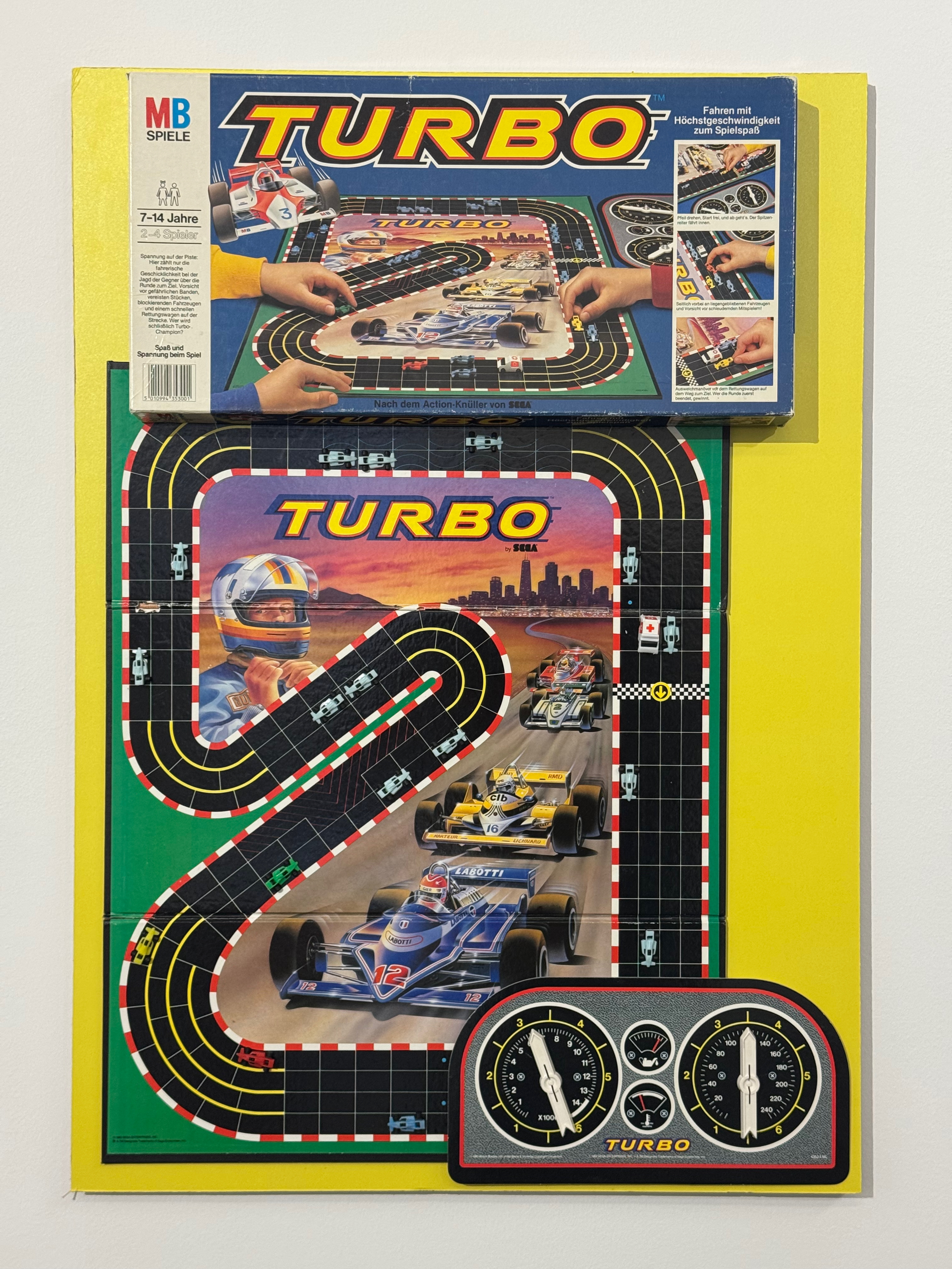
Into the Paperverse makes this multilayered relationship tangible through original production materials, design sketches, game packaging, playable stations, and paper artefacts connected to gaming culture. A central highlight of the exhibition are the original paper sets from Lumino City, which served as the game’s three-dimensional environment.
25 April – 8 November 2026
Exhibition design: Maxim Weirich (beier+wellach projekte Berlin)
Curation: Ch. A. Bachmann
Graphic design: arc-gestaltung
Photos by Peter Hinrschläger